Conducting a home maintenance audit is essential for ensuring that your living space remains safe, efficient, and enjoyable for your family. Involving your family in this process not only makes it a fun and engaging activity but also teaches everyone about the importance of home care. In this article, you will learn how to perform a thorough DIY home inspection using a checklist designed for families, ensuring that every corner of your home is accounted for.
Why a Home Maintenance Audit is Important
A home maintenance audit is a comprehensive evaluation of your house’s condition, aimed at identifying potential issues before they become costly repairs. Here are a few reasons why conducting an audit is vital:
- Safety: Regular inspections help identify hazards such as mold, electrical issues, or structural problems.
- Cost Savings: Identifying minor repairs early can save you money by preventing bigger issues down the line.
- Energy Efficiency: Assessing appliances and insulation can lead to improved energy efficiency, reducing utility bills.
- Family Involvement: Engaging your family in the process fosters teamwork and instills a sense of responsibility for maintaining the home.
Getting Started: Preparing for Your Audit
Before diving into your home maintenance audit, it’s essential to gather the necessary tools and create a plan. Here are some steps to follow:
Step 1: Assemble Your Family
- Schedule a day when everyone can participate.
- Explain the importance of the audit and assign roles based on age and ability.
- Make it a fun family event, possibly with snacks or music to keep spirits high.
Step 2: Gather Tools and Supplies
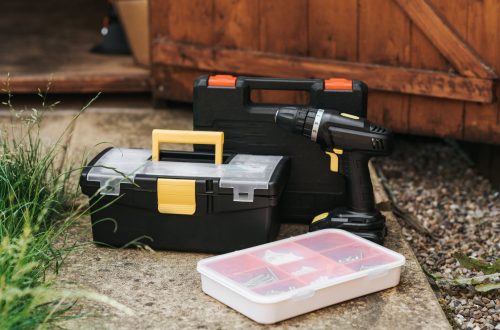
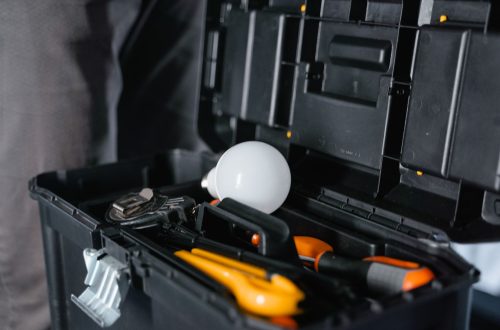
You’ll need the following tools to make your audit efficient:
- Flashlights
- Screwdrivers
- Measuring tape
- Notebook or digital device for taking notes
- Camera (for visual documentation)
Step 3: Create Your Checklist
Using our comprehensive checklist for families, you can ensure that no area is overlooked. You can find a sample checklist below:
Home Maintenance Checklist
| Area/Item | What to Inspect | Status (Check/Repair/Replace) |
|---|---|---|
| Exterior | Roof condition, gutters, siding, windows, doors | |
| Interior | Walls, ceilings, flooring, doors, windows | |
| Plumbing | Faucets, toilets, pipes, water heater | |
| Electrical | Outlets, switches, light fixtures, circuit breakers | |
| HVAC | Air filters, ducts, furnace, air conditioning unit | |
| Safety Features | Smoke detectors, carbon monoxide detectors, fire extinguishers |
Conducting the Audit: Step-by-Step Process
Now that you are prepared, it’s time to start the audit. Here’s a step-by-step guide to follow:
Step 1: Start from the Outside
- Roof Inspection: Look for missing or damaged shingles. Check for leaks in the attic.
- Gutter Cleaning: Ensure gutters are clear of debris to prevent water damage.
- Siding and Windows: Inspect for cracks, warping, or peeling paint that might indicate moisture issues.
Step 2: Move Inside
- Walls and Ceilings: Check for cracks or signs of water damage.
- Floors: Look for squeaks, stains, or damage in carpets and hardwood.
- Doors and Windows: Ensure they open easily and check the seals for leaks.
Step 3: Assess Utilities
- Plumbing: Check for leaks under sinks and around toilets. Ensure your water heater is functioning properly.
- Electrical: Test all outlets and switches. Look for any exposed wires or flickering lights.
- HVAC System: Change air filters and check for any unusual sounds or smells from your heating and cooling systems.
Step 4: Safety Checks
- Smoke and CO Detectors: Test batteries and ensure they are in working order.
- Fire Extinguishers: Check expiration dates and ensure they are accessible.
Involving Your Family in the Process
To make the audit more engaging, consider these tips for family involvement:
- Assign Roles: Give each family member a specific area to inspect, based on their age and capability.
- Discuss Findings: After the audit, gather as a family to discuss what was found and prioritize repairs.
- Create a Maintenance Schedule: Together, set up a timeline for regular checks and maintenance tasks to keep your home in top shape.
Key Takeaways
Conducting a home maintenance audit with your family is a valuable exercise that promotes safety, saves money, and encourages teamwork. By using the provided checklist and involving your family in the inspection process, you can ensure that your home remains a safe and welcoming space. Regular audits not only help you stay on top of necessary repairs but also instill a sense of pride and responsibility within your family about the home they share. Remember, a well-maintained home is a happy home!