Home maintenance emergencies can strike unexpectedly, leaving families feeling overwhelmed and unsure of what to do. From burst pipes to electrical issues, these situations often require quick thinking and a well-prepared plan. In this article, we will explore effective strategies for handling home emergencies as a family, focusing on family preparedness and safety tips to ensure everyone remains calm and secure during a maintenance crisis.
Understanding Home Maintenance Emergencies
Common Types of Home Emergencies
Home emergencies can take various forms, and understanding the most common types can help you prepare better. Here are some frequent home maintenance crises families might face:
- Water Damage: Burst pipes or overflowing sinks can lead to significant water damage in a matter of minutes.
- Electrical Failures: Power outages, blown fuses, or malfunctioning outlets can pose safety risks.
- Gas Leaks: A gas leak is a serious emergency that requires immediate attention.
- Fire Hazards: Unattended cooking, faulty wiring, or heating equipment can lead to fires.
The Importance of Family Preparedness
Family preparedness is essential when dealing with home emergencies. It involves creating a plan, identifying roles, and ensuring everyone knows what to do in case of an emergency. According to a survey by the American Red Cross, only 10% of families have a plan in place for emergency situations. By preparing as a family, you can ensure everyone knows how to respond effectively, minimizing risks and damage.
Creating a Family Emergency Plan
Step 1: Identify Risks
Start by assessing your home for potential risks. Walk through each room and identify what could go wrong. Consider:
- Locations of water pipes and shut-off valves
- Electrical panels and safety switches
- Gas appliances and shut-off valves
- Fire alarms and extinguishers
Step 2: Develop a Communication Plan
Establish a communication plan that includes:
- Emergency contact numbers for family members, neighbors, and professionals (plumbers, electricians, etc.)
- A family meeting point outside the home
- A system for checking in with each other during an emergency
Step 3: Assign Roles
Assign specific roles to each family member based on their age and capabilities. For instance:
- Adults: Assess the situation, contact professionals, and lead evacuation if necessary.
- Older Children: Help younger siblings and manage pets.
- Younger Children: Follow instructions and stay safe.
Step 4: Practice the Plan
Conduct regular drills to ensure everyone knows their roles and the steps to take during various emergencies. This could involve:
- Simulating a fire drill
- Practicing turning off the water supply
- Rehearsing how to evacuate the home
Essential Safety Tips During Home Emergencies
Stay Calm and Assess the Situation
When a home emergency occurs, it’s crucial to stay calm. Take a moment to assess the situation before acting. Ask yourself:
- Is anyone injured?
- Is there a risk of further damage or danger?
- What immediate actions are necessary?
Use the Right Tools
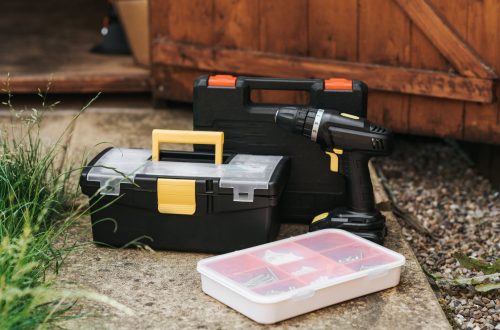
Having the right tools on hand can make a significant difference in managing a home emergency. Consider keeping the following items in an easily accessible place:
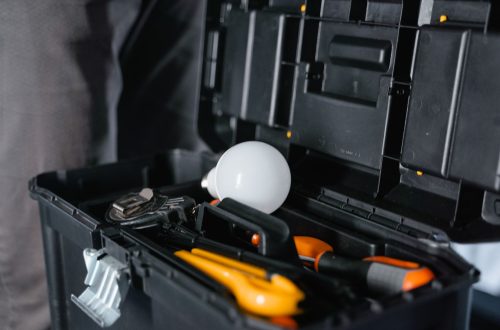
- Basic Tool Kit: Hammer, screwdrivers, pliers, and wrenches.
- Emergency Supplies: Flashlights, batteries, a first-aid kit, and a fire extinguisher.
- Water Shut-Off Tool: A wrench specifically for turning off water valves.
- Safety Gear: Gloves, goggles, and masks for protection.
When to Call for Help
Some situations are beyond the capabilities of a family to manage. Know when to call for help:
- If there is significant structural damage
- In the case of gas leaks
- When electrical issues pose a risk
- If water damage cannot be contained
Long-Term Preparedness Strategies
Regular Maintenance Checks
Performing regular maintenance checks can help prevent many emergencies. Set a schedule for:
- Checking smoke and carbon monoxide detectors monthly.
- Inspecting plumbing fixtures for leaks every few months.
- Testing electrical outlets and circuit breakers regularly.
- Clearing gutters and downspouts to prevent water buildup.
Create an Emergency Supplies Kit
An emergency supplies kit can be invaluable during a crisis. Include:
- Non-perishable food and water (one gallon per person per day for three days)
- First-aid supplies
- Flashlights and extra batteries
- Important documents stored in a waterproof bag
Stay Informed
Stay updated on local emergency guidelines and resources. Sign up for local alerts and notifications regarding severe weather, gas leaks, or other potential emergencies.
Key Takeaways
Handling home maintenance emergencies as a family requires preparation, organization, and effective communication. By taking proactive steps, such as creating an emergency plan, practicing roles, and maintaining a well-stocked emergency kit, families can navigate crises with confidence and safety. Remember, the goal is to keep everyone calm and informed, ensuring that your family is prepared for any maintenance crisis that may arise in your home.