Upgrading your home to be more energy-efficient is not just a smart financial decision; it’s a sustainable choice that benefits the environment. As we navigate through 2026, the push for energy-efficient upgrades has never been more relevant. In this article, you will discover the top seven energy-efficient upgrades that can elevate your home while significantly reducing your energy bills. Let’s explore these upgrades, their benefits, and practical tips for implementation.
1. Smart Thermostats
Why Upgrade?
Smart thermostats are among the leading energy-efficient upgrades for homes in 2026. These devices learn your heating and cooling preferences, optimizing energy use to save you money. With insights into your habits, they can adjust temperatures automatically when you’re away or asleep.
Implementation Tips
- Choose the Right Model: Look for a model compatible with your HVAC system.
- Professional Installation: While many smart thermostats are DIY-friendly, consider professional installation for more complex systems.
- Utilize Apps: Make the most of mobile apps to control your thermostat remotely.
2. Energy-Efficient Windows
The Benefits
Replacing old windows with energy-efficient models can reduce heat loss in winter and keep your home cool in summer. According to the U.S. Department of Energy, you can save 7-15% on your energy bills by upgrading your windows.
Types of Energy-Efficient Windows
- Double or Triple Glazing: These windows have multiple panes of glass for improved insulation.
- Low-E Coatings: These coatings reflect heat back into your home during winter and keep it out during summer.
Installation Steps
- Assess Your Current Windows: Identify drafts or condensation issues.
- Select Energy Star Rated Products: Ensure your new windows meet energy efficiency standards.
- Hire Professionals: Proper installation is key to maximizing energy savings.
3. Insulation Improvements
Why Insulation Matters
Proper insulation plays a crucial role in maintaining a comfortable home while reducing energy consumption. In 2026, many homeowners are turning to spray foam and cellulose for their superior insulating properties.
Upgrade Options
- Attic Insulation: Ensure your attic is properly insulated to prevent heat loss.
- Wall Insulation: Consider blowing insulation into walls for added efficiency.
DIY or Professional?
- DIY: Minor insulation upgrades, like adding fiberglass batts, can be a weekend project.
- Hire Experts: For spray foam or extensive work, enlist professionals.
4. Energy-Efficient Appliances
Choosing the Right Appliances
Modern appliances are designed to use significantly less energy than their older counterparts. In 2026, the Energy Star label remains a reliable indicator of efficiency.
Key Upgrades
- Refrigerators: Look for models that use up to 50% less energy than older units.
- Dishwashers: Modern dishwashers use less water and energy, making them a great investment.
Budgeting Tips
- Research Rebates: Many local programs offer rebates for upgrading to energy-efficient appliances.
- Plan Purchases: Time your upgrades during sales events for maximum savings.
5. Solar Panel Installation
The Long-Term Benefits
Solar panels are a powerful way to harness renewable energy, drastically reducing your electricity bills. In 2026, the cost of solar installation continues to decrease, making it an accessible option for many homeowners.
Key Considerations
- Assess Your Roof: Ensure your roof has the right angle and exposure for solar panels.
- Incentives: Research federal, state, and local incentives to offset installation costs.
Steps to Installation
- Consult with Experts: Get multiple quotes from reputable solar companies.
- Understand Financing Options: Look into loans or leasing options that fit your budget.
6. LED Lighting
Advantages of LED
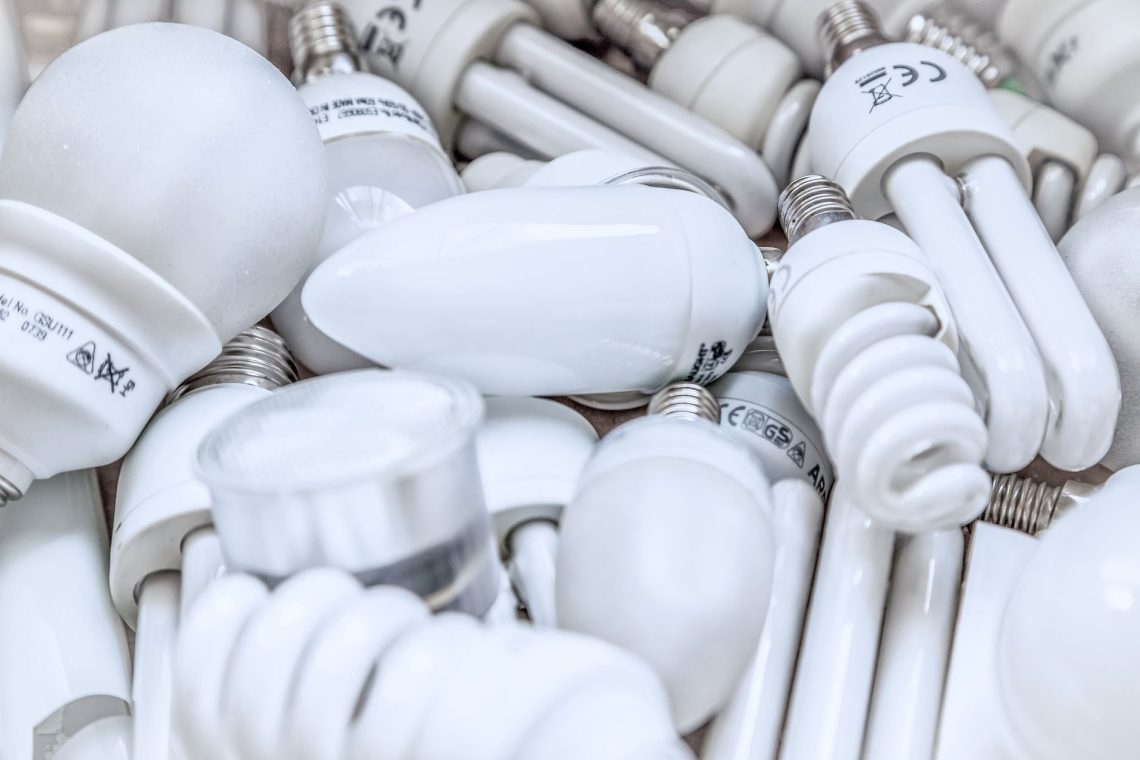
Switching to LED lighting is one of the simplest energy-efficient upgrades you can make. LED bulbs last longer and use up to 80% less energy than traditional incandescent bulbs.
Upgrade Strategy
- Replace Gradually: Start with high-use areas like kitchens and living rooms.
- Use Smart Bulbs: Consider smart LED bulbs that can be controlled remotely.
Cost Savings
- Look for Discounts: Many retailers offer discounts on LED bulbs, especially during energy awareness campaigns.
- Track Your Savings: Monitoring your energy bill can reveal how quickly your investment pays off.
7. Water-Efficient Fixtures
Improving Water Use
Installing water-efficient fixtures can save both water and energy. Low-flow faucets and showerheads can help reduce water waste significantly, translating into lower utility bills.
Types of Fixtures
- Low-Flow Showerheads: These can reduce water usage by 40% without sacrificing pressure.
- Dual-Flush Toilets: These toilets use less water for liquid waste, leading to substantial savings.
Installation Steps
- Identify High-Usage Areas: Focus on bathrooms and kitchens for the best impact.
- Consult Plumbing Experts: For toilet upgrades, professional installation can ensure proper functionality.
Key Takeaways
In 2026, investing in energy-efficient upgrades not only improves your home’s comfort but also contributes to significant cost savings and environmental sustainability. Here’s a recap of the top upgrades to consider:
- Smart Thermostats: Optimize heating and cooling efficiently.
- Energy-Efficient Windows: Enhance insulation and comfort.
- Insulation Improvements: Reduce energy loss effectively.
- Energy-Efficient Appliances: Choose modern, efficient models.
- Solar Panels: Invest in renewable energy sources.
- LED Lighting: Cut lighting costs and boost efficiency.
- Water-Efficient Fixtures: Save water and reduce utility bills.
By implementing these upgrades, you can create a more sustainable home while enjoying lower energy bills throughout the year.