Creating a home maintenance schedule is essential for every family looking to keep their household in tip-top shape. By establishing a systematic family upkeep plan, you can prevent costly repairs and ensure your home remains a safe, comfortable haven. In this step-by-step guide, you will learn how to create an effective home maintenance schedule for 2026, covering essential tasks that keep your home running smoothly throughout the year.
Understanding the Importance of a Home Maintenance Schedule
A well-structured home maintenance schedule not only helps maintain the value of your property but also enhances your family’s quality of life. Regular upkeep can minimize the risks associated with neglecting essential tasks, such as plumbing issues or roof leaks. Here are a few key benefits of having a home maintenance schedule:
- Cost-Effective: Routine maintenance can save you money by preventing significant repairs.
- Safety: Regular checks reduce the likelihood of accidents and injuries.
- Comfort: A well-maintained home is more comfortable and inviting for family and guests.
- Efficiency: Keeping appliances and systems in good condition ensures they work efficiently, saving on energy bills.
Step 1: Assess Your Home’s Needs
Before diving into creating your home maintenance schedule, begin with a thorough assessment of your home. Consider the following areas:
Key Areas to Examine
- Roof and Gutters: Check for damage, debris, or blockages.
- Plumbing: Look for leaks under sinks, around toilets, and in exposed pipes.
- HVAC Systems: Inspect filters, vents, and overall functionality.
- Exterior: Review the condition of siding, windows, doors, and paint.
- Safety Devices: Ensure smoke detectors and carbon monoxide detectors are functional.
Tips for Assessment
- Visual Inspection: Walk around your home and look for visible signs of wear or damage.
- Use a Checklist: Document your findings to refer back to when planning your schedule.
- Consult Professionals: For major systems like HVAC or roofing, consider hiring a professional for a more detailed evaluation.
Step 2: Create a Comprehensive List of Maintenance Tasks
After assessing your home, create a detailed list of necessary maintenance tasks. Organize these tasks by frequency: monthly, quarterly, bi-annually, and annually. Here’s a breakdown of common tasks:
Monthly Tasks
- Change HVAC filters
- Test smoke and carbon monoxide detectors
- Clean kitchen appliances (oven, refrigerator, etc.)
- Inspect and clean bathroom fixtures
Quarterly Tasks
- Check and clean gutters
- Inspect plumbing for leaks
- Test and reset ground fault circuit interrupters (GFCI)
- Vacuum refrigerator coils
Bi-Annual Tasks
- Service HVAC system
- Inspect attic and basement for signs of moisture or pests
- Deep clean carpets and upholstery
- Check exterior paint and siding for wear
Annual Tasks
- Inspect roof for damage
- Clean and seal windows
- Service major appliances
- Check for pest infestations
Step 3: Create a Schedule
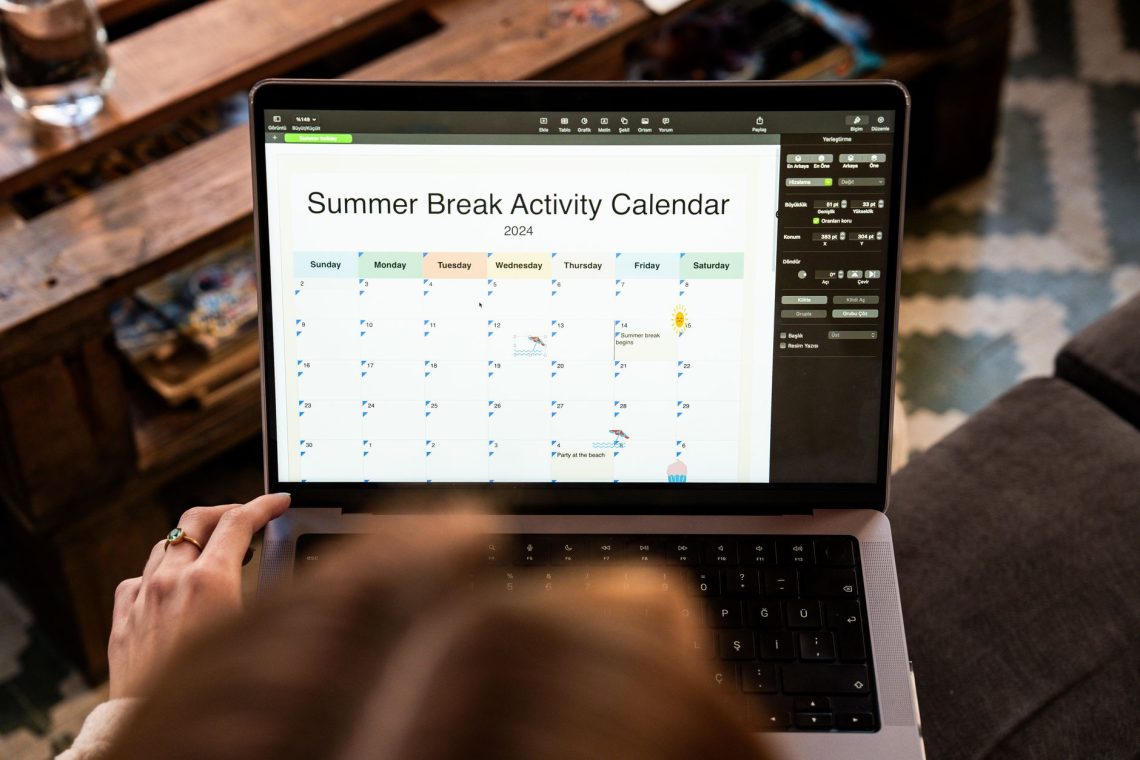
With your list of tasks in hand, it’s time to create a home maintenance schedule. You can use a simple calendar or a specialized app to keep track of maintenance activities. Here are some tips for creating an effective schedule:
Tips for Scheduling
- Choose Specific Dates: Assign specific days for each task (e.g., the first Saturday of every month).
- Involve the Family: Assign roles to family members to share the workload.
- Set Reminders: Use calendar alerts or apps to remind you of upcoming tasks.
Sample Home Maintenance Schedule
| Month | Task |
|---|---|
| January | Change HVAC filters |
| February | Test smoke detectors |
| March | Clean gutters |
| April | Service HVAC system |
| May | Inspect plumbing |
| June | Check roof and exterior paint |
| July | Deep clean carpets |
| August | Inspect attic and basement |
| September | Clean refrigerator coils |
| October | Test GFCI outlets |
| November | Service major appliances |
| December | Inspect for pest infestations |
Step 4: Review and Adjust Your Schedule
A home maintenance schedule is not static; it should evolve as your home’s needs change. Here are some strategies to keep your schedule relevant:
- Reflect on Past Tasks: After completing each task, take notes on any issues encountered.
- Adjust Frequency: If certain tasks require more frequent attention, adjust your schedule accordingly.
- Annual Review: Set aside time each year to review and update your home maintenance schedule.
Key Takeaways
Creating a home maintenance schedule is crucial for effective family upkeep in 2026. By assessing your home’s needs, compiling a comprehensive list of tasks, and establishing a practical schedule, you can ensure your household remains safe, efficient, and comfortable. Remember to involve your family in the process, adjust your schedule as needed, and enjoy the peace of mind that comes with a well-maintained home. Keeping up with these household care guide tips will not only save you money but also enhance your family’s overall quality of life.