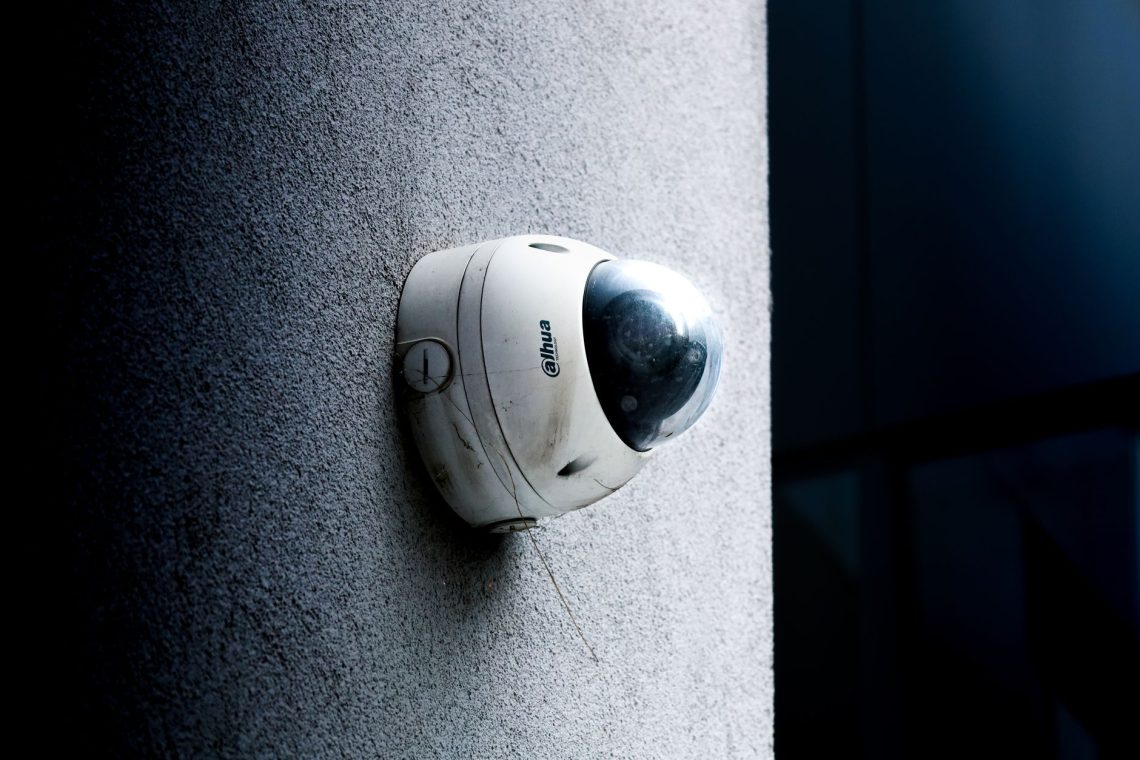
Choosing the right home security system for your family can be a daunting task, especially with the plethora of options available in 2026. This home security system guide is designed to simplify the decision-making process, ensuring you find a solution that fits both your family’s needs and budget. From understanding various family security options to evaluating the best home security systems on the market today, you will walk away with valuable insights to protect your loved ones and your home.
Understanding Your Home Security Needs
Before diving into specific systems, it’s essential to assess what your family specifically requires from a security system. Consider the following factors:
- Home Size: Larger homes may require a more extensive system with multiple cameras and sensors.
- Location: Urban areas might need different security measures compared to rural settings.
- Family Lifestyle: Evaluate how often your family is home versus away. Do you travel frequently or have young children?
- Budget: Set a realistic budget that includes initial setup and ongoing monitoring costs.
Risk Assessment
Conducting a risk assessment can help you identify vulnerabilities in your home. Here’s how to do it:
- Walk Through Your Property: Look for entry points such as doors and windows that may need additional security.
- Consider Surroundings: Are there streetlights nearby, and how visible is your home from the road?
- List High-Value Items: Identify any valuables that may need extra protection.
Types of Home Security Systems
In 2026, home security systems vary widely in terms of technology and features. Here are the main types to consider:
1. Wired Security Systems
- Description: These systems use physical wires to connect sensors to a control panel.
- Pros: Generally more reliable and not prone to signal interference.
- Cons: Installation can be complicated and costly.
2. Wireless Security Systems
- Description: These systems use Wi-Fi or cellular signals to connect devices.
- Pros: Easier to install, portable, and can be expanded easily.
- Cons: May be susceptible to hacking and require regular battery changes.
3. DIY Systems vs. Professional Monitoring
- DIY Systems: Suitable for tech-savvy families looking for cost-effective solutions. These kits can be installed without professional help.
- Professional Monitoring: Provides 24/7 monitoring by a security company but involves a monthly fee.
Key Features to Look For
When evaluating the best home security systems, consider these essential features:
1. Cameras
- Indoor vs. Outdoor: Outdoor cameras need to be weather-resistant and have night vision.
- Smart Features: Look for motion detection, alerts, and remote access via smartphone apps.
2. Sensors
- Door and Window Sensors: Essential for detecting unauthorized entries.
- Glass Break Sensors: Useful for homes where windows are prevalent.
3. Smart Home Integration
Many security systems can integrate with smart home devices. This allows you to control lights, locks, and cameras from one app, enhancing your overall security.
4. User-Friendly Interface
Choose a system with an intuitive interface for easy operation. A complicated system may lead to missed alerts or improper usage in times of need.
Comparing Home Security Options
Once you understand the types of systems and features, it’s time to compare specific options. Here’s a simple comparison table of popular home security systems in 2026:
| Security System | Type | Monthly Fee | Key Features |
|---|---|---|---|
| ADT | Professional | $36 | 24/7 Monitoring, Smart Home |
| Ring | DIY | $10 | Video Doorbell, App Control |
| SimpliSafe | DIY | $15 | No Contracts, Easy Setup |
| Vivint | Professional | $70 | Home Automation, Wireless |
Practical Tips for Choosing the Right System
- Read Reviews and Testimonials: Check online reviews to gauge user satisfaction.
- Get Multiple Quotes: If considering professional installation, get quotes from various companies.
- Test Customer Service: Reach out to customer service with questions before buying to assess their responsiveness.
- Look for Trials: Some companies offer trial periods. Take advantage to ensure the system meets your expectations.
Key Takeaways
Choosing the right home security system for your family in 2026 doesn’t have to be overwhelming. By understanding your specific needs, comparing various types of systems, and evaluating essential features, you can find a solution that provides peace of mind. Remember to consider factors like installation type, monitoring options, and compatibility with smart home devices. With the right security system in place, you can safeguard your home and enjoy greater comfort knowing your family is protected.