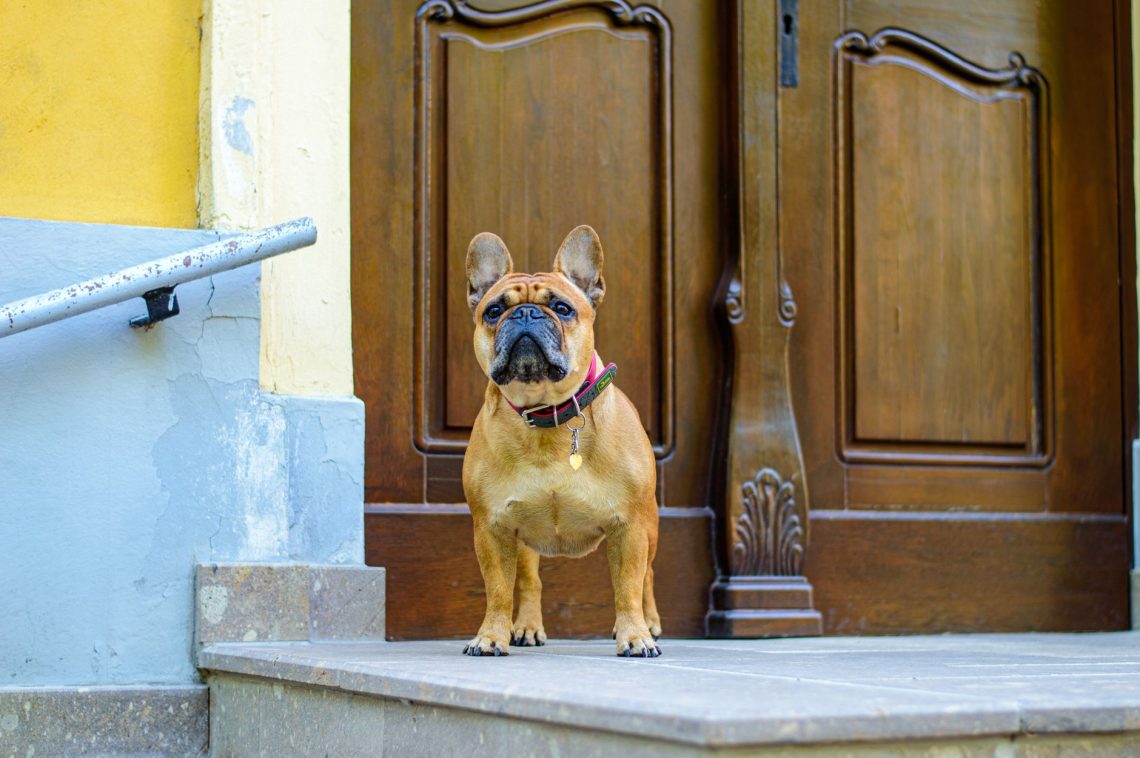
Ensuring the safety of our beloved pets at home is more important than ever in 2026. As families continue to grow and evolve, so do the risks and challenges that come with having pets. This article will provide essential pet safety tips that families can implement to create a secure environment for their furry family members. From understanding potential hazards in the home to enforcing safe practices, these insights will help safeguard your pets’ well-being and enhance animal welfare in your household.
Understanding Pet Safety at Home
To begin, it’s crucial to recognize the various aspects of home safety for pets. Pets are often curious and adventurous, which means they can easily get into trouble. Understanding the common dangers they face is the first step towards effective prevention. Here are some common hazards to be aware of:
- Toxic Plants: Certain houseplants are toxic to pets. For instance, lilies can be poisonous to cats, while dogs may suffer from ingesting azaleas.
- Chemicals and Cleaning Supplies: Many household cleaners and chemicals are harmful if ingested or even inhaled. Keep these products stored securely.
- Small Objects: Items like batteries, coins, and small toys can pose choking hazards for pets, especially for younger animals.
Creating a Safe Environment for Your Pets
1. Pet-Proofing Your Home
Just like you would child-proof your home, pet-proofing is essential. Here’s a step-by-step guide to get started:
- Assess Your Space: Walk through your home and identify potential hazards. Look for cords, sharp objects, and anything that your pet could knock over.
- Secure Hazardous Items: Store all chemicals, medications, and cleaning supplies out of reach, preferably in cabinets with childproof locks.
- Remove Toxic Plants: Research and remove any plants that may be harmful to your pets. Consider replacing them with pet-friendly alternatives.
- Cover Cords and Wires: Use cord covers to prevent your pets from chewing on electrical cords.
2. Safe Outdoor Practices
While it’s essential to create a safe indoor environment, outdoor safety is just as critical. Here are some tips to ensure family pet security outside:
- Fenced Yards: Ensure your yard is securely fenced to prevent escapes. Regularly check for gaps or holes that might allow a pet to slip through.
- Supervise Outdoor Time: Always supervise your pets when they are outside, especially in unfenced areas. This helps prevent accidents and keeps them safe from potential dangers.
- Leash Training: Train your pets to walk on a leash. This not only keeps them safe while exploring but also allows for better control in public spaces.
3. Emergency Preparedness
Accidents can happen, and being prepared is key. Here’s how to build an emergency plan for your pets:
- Create a Pet Emergency Kit: Include essentials such as food, water, medications, first-aid supplies, and a leash. This kit should be easily accessible in case of emergencies.
- Know Your Vet: Keep your veterinarian’s contact information handy, along with the nearest emergency animal clinic. Familiarize yourself with the route to ensure quick access if needed.
- Microchip and Identification: Ensure your pets are microchipped and have proper identification tags. This significantly increases the chances of reuniting with them if they get lost.
Educating Your Family About Pet Safety
Teaching your family about pet safety is essential for maintaining a secure environment. Here are effective ways to educate everyone:
- Involve Children: Teach children how to interact safely with pets. Show them how to approach pets calmly and respectfully, and explain the importance of gentle handling.
- Discuss Risks and Responsibilities: Talk about the risks that pets can face and the responsibilities that come with pet ownership. This includes understanding dietary restrictions and recognizing signs of distress.
- Regular Training: Consider enrolling your pets in obedience classes. This not only helps with behavior but also teaches them essential commands that can enhance safety.
Key Takeaways
Ensuring pet safety at home is a shared responsibility that involves awareness, preparation, and education. By following these essential pet safety tips, you can create a secure environment that promotes animal welfare and keeps your furry family members safe. Remember to:
- Assess and pet-proof your home.
- Practice safe outdoor habits.
- Prepare for emergencies.
- Educate your family about pet safety.
By taking these steps, you can enjoy peace of mind knowing that your pets are safe and secure in your loving home.