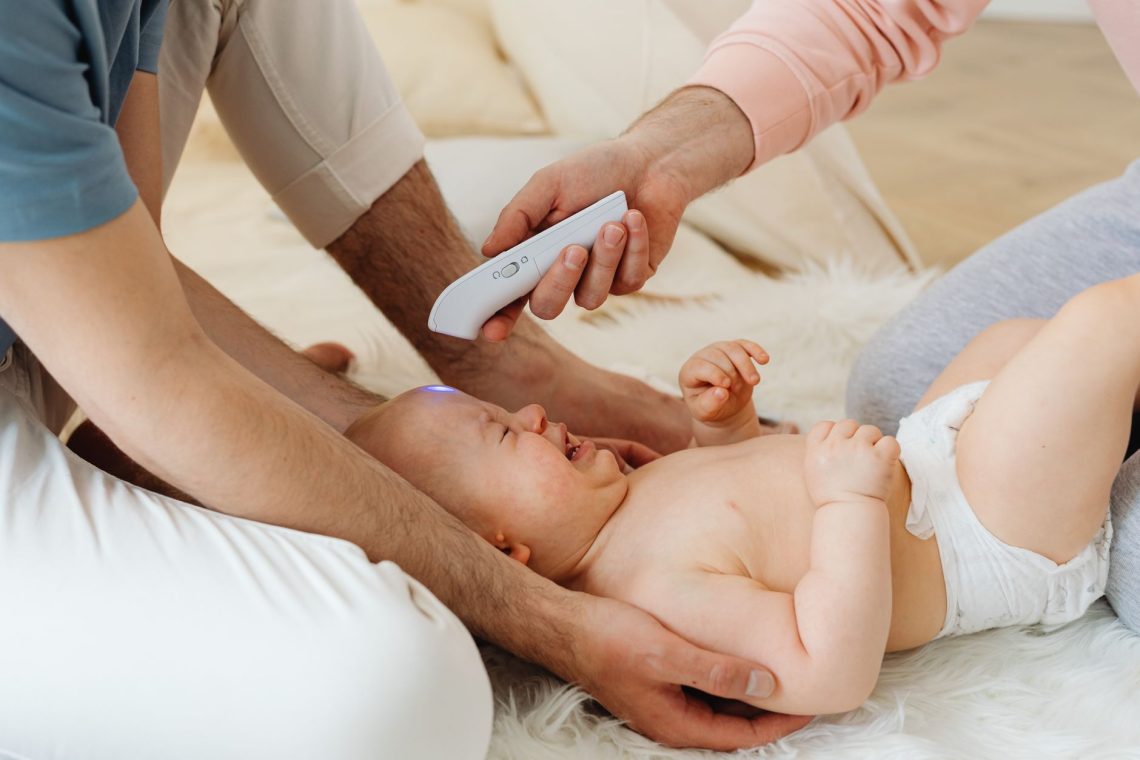
Welcoming a new baby into your family is an exciting time, but it can also be overwhelming, especially when it comes to ensuring a safe home environment. In 2026, home safety is more important than ever, with new parents needing to navigate a multitude of safety considerations. This article will provide you with a comprehensive home safety checklist tailored specifically for new parents, along with practical childproofing tips to help you create a secure space for your little one. By following these guidelines, you can foster a safe, nurturing environment for your baby to grow and explore.
Understanding Home Safety for New Parents
The Importance of a Home Safety Checklist
As a new parent, your priority is to protect your child from potential hazards. A home safety checklist serves as a roadmap, ensuring that you address all critical areas within your home. Here’s what you will learn:
- Key elements to include in your safety checklist
- Specific childproofing tips for various areas of your home
- Useful resources and tools for ongoing safety measures
Common Hazards in the Home
Before diving into specific safety measures, it’s vital to understand the most common hazards that could affect your baby. These include:
- Choking hazards: Small objects, loose change, and toys without safety labels.
- Falls: Unsecured furniture, stairs, and sharp corners.
- Toxic substances: Household cleaners, medications, and plants that are toxic to children.
- Burns: Hot surfaces, boiling liquids, and improperly stored matches or lighters.
Creating a Safe Living Space
Room-by-Room Safety Checklist
To ensure a comprehensive approach, here’s a breakdown of safety considerations by area in your home:
1. Living Room
- Secure furniture: Anchor heavy furniture to the wall to prevent tipping.
- Remove small items: Keep small decorations, coins, and any choking hazards out of reach.
- Cords and wires: Use cord clips to secure loose electrical wires and hide them from curious hands.
2. Kitchen
- Cabinet locks: Install childproof locks on cabinets containing sharp objects or chemicals.
- Stove safety: Use the back burners when cooking and keep pot handles turned inward.
- Food storage: Store choking hazards, such as nuts or grapes, out of reach and cut food into small pieces.
3. Bathroom
- Non-slip mats: Use non-slip mats in the tub and on the floor to prevent slips and falls.
- Water temperature: Set your water heater to a maximum of 120°F (49°C) to avoid scalding.
- Medications: Keep all medications and toiletries stored in locked cabinets.
4. Bedroom
- Crib safety: Ensure the crib meets current safety standards, with a firm mattress and no soft bedding.
- Clothing storage: Install drawer locks or keep clothes out of reach to prevent suffocation.
- Window safety: Use window guards to prevent falls from an open window.
Outdoor Safety Measures
Don’t forget to extend your childproofing efforts to your outdoor spaces. Here are some essential tips:
- Fencing: Ensure your yard is fenced and that gates are securely latched.
- Playground safety: Check that outdoor play equipment is age-appropriate and free from sharp edges.
- Pool safety: If you have a pool, install a fence with a self-latching gate to prevent access.
Ongoing Safety Education
Regularly Update Your Safety Checklist
Keeping your home safe is an ongoing process. Here are some steps to maintain your safety checklist:
- Monthly inspections: Regularly check for any new hazards that may arise as your baby grows and begins to explore.
- Stay informed: Follow safety recalls on baby products and stay updated with safety guidelines from pediatric associations.
- Involve family members: Share your checklist with caregivers and family members to ensure everyone is on the same page.
Useful Resources
- American Academy of Pediatrics: Offers guidelines on child safety and health.
- National Safety Council: Provides resources for home safety and accident prevention.
- Childproofing products: There are numerous childproofing kits available on the market that can make your home safer.
Key Takeaways
Creating a safe home environment for your newborn is crucial. Here’s a quick recap of the key points:
- Utilize a comprehensive home safety checklist tailored for new parents.
- Focus on childproofing specific areas such as the living room, kitchen, bathroom, and bedroom.
- Regularly inspect your home for new hazards as your child grows and learns to explore.
- Stay informed about safety guidelines and involve all caregivers in your safety efforts.
By following this home safety checklist, new parents can significantly reduce risks in their homes and create a secure environment for their little ones to thrive. Remember, safety is not just a one-time effort but an ongoing commitment to keeping your family protected.