Home security cameras have become an essential part of family safety in 2026. With advancements in technology and increasing concerns about home security, families need to understand the various camera options available and how to effectively utilize them. This guide will provide valuable insights on choosing, installing, and maintaining home security cameras that cater to your family’s unique needs, ensuring peace of mind and enhanced surveillance safety.
Why Home Security Cameras Matter
In today’s world, home security is more critical than ever. Statistics indicate that homes without security systems are 300% more likely to be broken into. Home security cameras not only act as a deterrent to potential intruders but also provide valuable evidence in case of theft or vandalism. Here’s why investing in home security cameras is a wise decision:
- Real-time monitoring: Cameras allow you to keep an eye on your property remotely.
- Emergency response: Quick access to footage can assist law enforcement in responding effectively.
- Peace of mind: Knowing that your home is monitored can alleviate anxiety when you are away.
Types of Home Security Cameras
When selecting home security cameras, it’s important to understand the different types available. Each comes with unique features suited for various needs.
1. Indoor Cameras
Indoor cameras are designed for monitoring the inside of your home. They can help keep an eye on your children, pets, or any illicit activity. Key features include:
- Two-way audio: Communicate with family members or pets.
- Night vision: Monitor your home in low-light conditions.
- Motion detection: Alerts you when movement is detected.
2. Outdoor Cameras
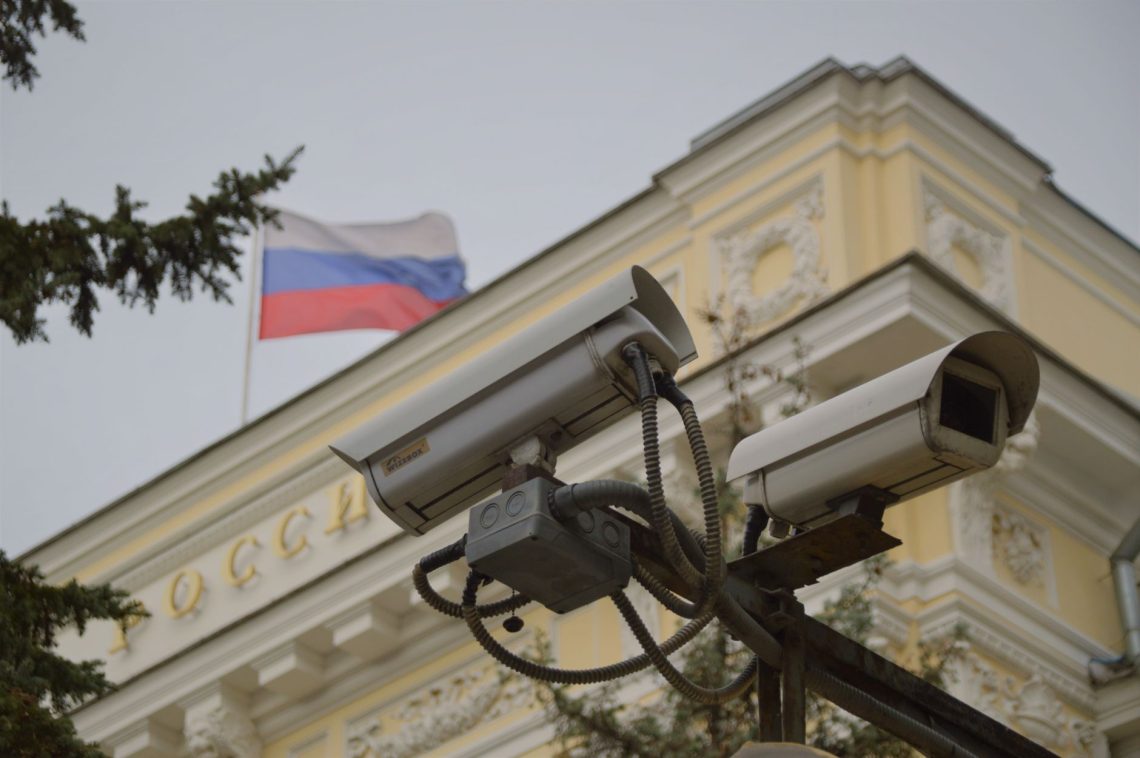
Outdoor cameras are built to withstand weather conditions and monitor your property’s exterior. Features often include:
- Weatherproof design: Ensures durability against rain, snow, and other elements.
- Wide-angle lenses: Capture a larger field of view.
- High-resolution video: Provides clear images for identifying faces or details.
3. Wireless vs. Wired Cameras
- Wireless Cameras: Easy to install and flexible in placement. They connect via Wi-Fi and can be monitored from anywhere.
- Wired Cameras: Generally more reliable with consistent power and connectivity, but may require professional installation.
Choosing the Right Camera Options
Selecting the right home security camera for your family depends on several factors. Here’s a simple step-by-step process to guide you:
Step 1: Assess Your Needs
- Determine your main focus: Do you need to monitor the interior, exterior, or both?
- Consider your budget: Set a price range based on your financial comfort.
Step 2: Research Features
Look for specific features that match your needs:
- Resolution: Aim for at least 1080p for clear footage.
- Field of View: A wider field of view covers more area.
- Storage Options: Decide between cloud storage or local storage systems.
Step 3: Look at Reviews
Before making a purchase, check customer reviews and expert opinions. Websites and forums can provide insights into performance and reliability.
Step 4: Installation Considerations
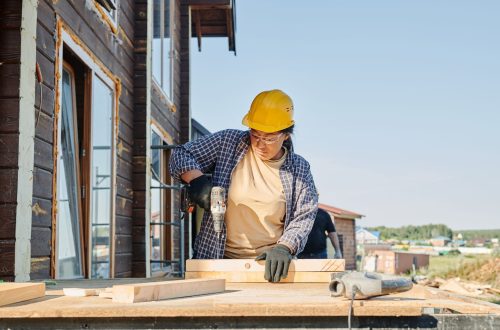
Decide whether you will DIY install or hire a professional. For DIY installations, ensure you have the necessary tools and follow the manufacturer’s instructions carefully.
Best Practices for Camera Placement
Proper placement of your home security cameras is crucial for effective surveillance. Here are some tips on where to position your cameras:
- Entrances: Install cameras at all entrances, including front doors, back doors, and garages.
- Driveways: Monitor vehicles and deter potential intruders.
- Common Areas: Place indoor cameras in shared spaces like living rooms or hallways.
- Blind Spots: Identify areas that are hidden from view and ensure they are covered.
Key Takeaways
As families prioritize safety in 2026, understanding home security cameras is essential. Here’s a quick summary of the key points:
- Home security cameras are vital for protecting your family and property.
- Different types of cameras serve specific purposes; choose wisely.
- Assess your needs, research features, and read reviews before purchasing.
- Proper placement of cameras enhances their effectiveness.
Investing in home security cameras is a proactive step toward safeguarding your family. By understanding the types, features, and best practices for using these devices, you can create a safer living environment and enjoy the peace of mind that comes with enhanced surveillance safety.