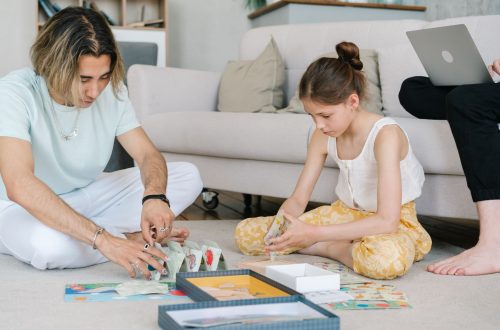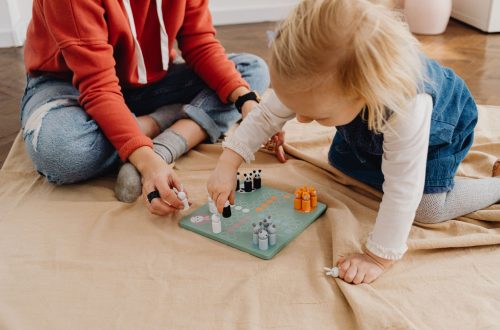
Organizing family events can often feel overwhelming, but with the right approach, it doesn’t have to be. In this article, you’ll discover effective strategies for family event planning that will lead to stress-free family gatherings. Whether you’re hosting a birthday party, a holiday celebration, or a simple family reunion, these event organization tips will help you create memorable experiences for everyone involved.
Start with a Solid Plan
Define the Purpose and Vision
Before diving into the logistics, take a moment to clarify the purpose of your event. Ask yourself:
– What is the occasion?
– Who will be attending?
– What kind of atmosphere do you want to create?
By having a clear vision, you can tailor your planning accordingly. For instance, a casual picnic will require different arrangements than a formal dinner party.
Set a Budget
Establishing a budget is crucial for family event planning. Here’s a simple breakdown to consider:
– Venue: Will you host at home or rent a space?
– Food and Drinks: Will you cater, cook, or potluck?
– Decorations: What themes or decorations do you envision?
– Entertainment: Will you hire entertainment or have activities planned?
Setting a budget early on will help you make informed decisions and prevent overspending.
Create a Timeline
Having a timeline is essential for seamless event organization. Here’s a step-by-step guide:
- Two Months Before:
- Finalize the guest list.
- Book any venues or entertainment.
-
Send out save-the-dates.
-
One Month Before:
- Finalize the menu and catering arrangements.
- Start shopping for decorations and supplies.
-
Confirm RSVPs.
-
One Week Before:
- Create a detailed schedule for the event day.
- Prepare any food items that can be made in advance.
-
Set up a communication plan with helpers.
-
Day Before:
- Finalize decorations and set up the venue.
- Confirm all arrangements.
- Get a good night’s sleep!
Delegate Responsibilities
One of the best ways to ensure a stress-free experience is to delegate tasks. Don’t hesitate to involve family members or friends by assigning specific roles such as:
– Food Coordinator: Responsible for the menu and catering.
– Decorations Lead: In charge of setting up the theme and decor.
– Entertainment Manager: Organizes games or activities for the gathering.
By distributing responsibilities, everyone feels involved, and the workload becomes more manageable.
Consider Guest Comfort
To create enjoyable family gatherings, prioritizing guest comfort is key. Here are some tips to enhance their experience:
- Seating Arrangements: Ensure there are enough seats for everyone, and consider the layout for conversation flow.
- Food Options: Cater to dietary restrictions by offering a variety of food items (vegetarian, gluten-free, etc.).
- Activities: Plan a mix of activities to cater to all age groups. This could include games for kids, a photo booth, or a storytelling session for grandparents.
Gather Feedback for Improvement
After the event, it’s beneficial to gather feedback from attendees. This can be as simple as a quick chat or a follow-up message. Ask questions like:
– What did they enjoy most?
– Was anything missing?
– Would they attend again?
Collecting feedback will not only help you improve future events but also show your family members that their opinions are valued.
Key Takeaways
Organizing family events for a stress-free experience is achievable with careful planning and consideration. Here’s a quick recap of the main points:
- Define the Purpose: Clarify the occasion and set a vision.
- Budget Wisely: Outline your expenses to prevent overspending.
- Create a Timeline: Use a structured timeline to stay organized.
- Delegate Tasks: Involve family members to share the workload.
- Guest Comfort Matters: Prioritize seating, food options, and activities for all ages.
- Seek Feedback: Learn from each event to improve future gatherings.
By implementing these event organization tips, you can ensure that your family gatherings are not only stress-free but also filled with joy and cherished memories. Happy planning!