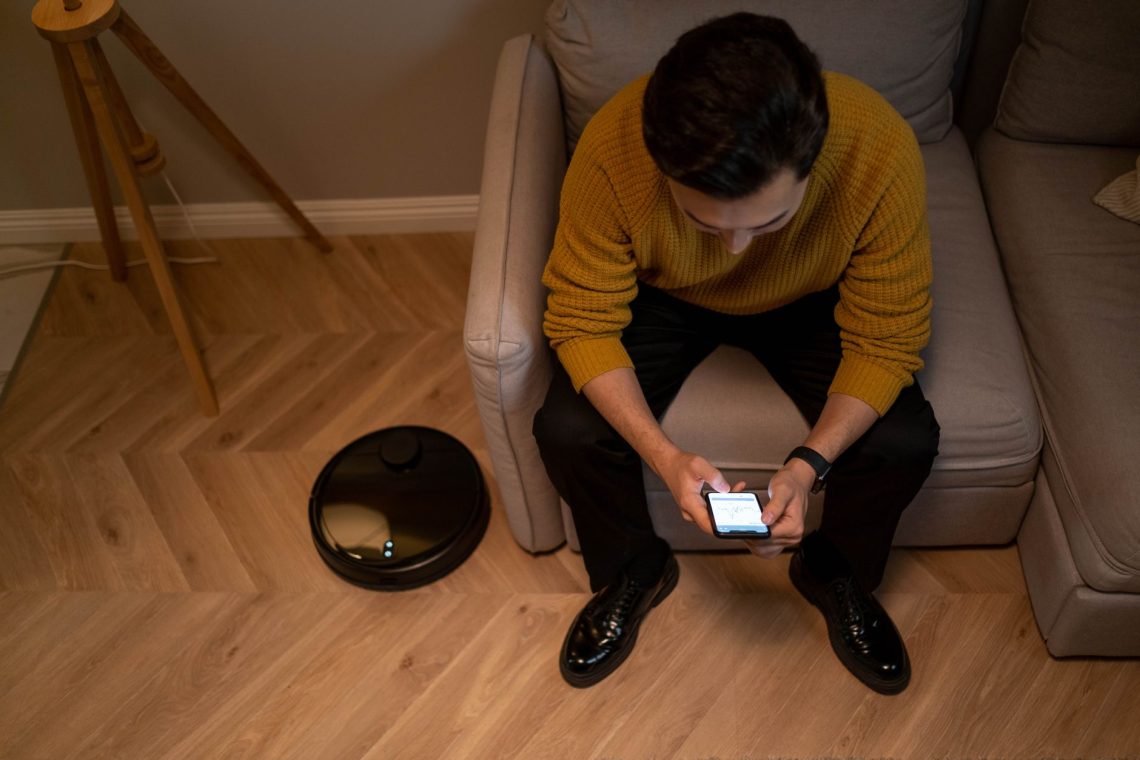
As families increasingly embrace technology, smart home devices are becoming essential for enhancing safety, convenience, and energy efficiency in households. In 2026, the integration of smart home technology offers numerous benefits that can significantly improve the way families manage their daily lives. This article will explore the various advantages of installing smart home devices, including family safety devices and home automation, to help families make informed decisions about their home improvement projects.
Enhancing Family Safety with Smart Home Technology
Comprehensive Security Systems
One of the most compelling reasons to invest in smart home devices is the enhanced security they provide. Modern families can benefit from comprehensive security systems that include:
- Smart Cameras: Monitor your home in real-time and receive alerts for unusual activity.
- Smart Doorbells: Know who is at the door without having to open it, and communicate with visitors remotely.
- Smart Locks: Secure your home with keyless entry options, allowing you to grant access to family members or trusted visitors without needing physical keys.
According to a study by the Electronic Security Association, homes with security systems are 300% less likely to be broken into compared to those without. By installing these family safety devices, families can enjoy peace of mind knowing they are protected.
Child Safety Features
Smart home technology can also enhance child safety. Devices such as:
- Smart Sensors: Detect CO2 levels, smoke, and water leaks, alerting you immediately to potential hazards.
- Smart Thermostats: Help maintain a safe indoor temperature, preventing overheating or freezing conditions.
- Smart Cameras: Keep an eye on children while they play in various parts of the home.
These features ensure families can monitor their environment and respond quickly to potential dangers.
Convenience and Home Automation
Streamlined Daily Routines
Home automation through smart devices can streamline daily routines, making life easier for busy families. Here are some practical examples:
- Voice-Controlled Assistants: Use devices like Amazon Echo or Google Home to control various smart devices hands-free.
- Smart Lighting: Automate lights to turn on and off at specific times, or control them remotely for added security.
- Programmable Coffee Makers: Set your coffee maker to brew before you wake up, ensuring a fresh cup is ready when you need it.
These conveniences not only save time but also allow families to focus on what truly matters.
Energy Efficiency
In 2026, energy efficiency continues to be a crucial concern for families looking to reduce their carbon footprint and utility bills. Smart home devices play a significant role in achieving this goal:
- Smart Thermostats: Optimize heating and cooling schedules based on occupancy, leading to savings of up to 30% on energy bills.
- Smart Plugs: Control devices remotely, ensuring that appliances are not left on unnecessarily.
- Energy Monitoring Systems: Track energy usage in real-time, helping families understand where they can cut back.
Investing in these smart devices not only benefits the environment but also translates into significant savings.
Practical Steps to Implement Smart Home Technology
If you’re considering implementing smart home technology in your family’s life, follow these practical steps:
- Assess Your Needs: Identify which areas of your home require improvement—whether it’s security, convenience, or energy efficiency.
- Research Devices: Look into various smart home devices that suit your requirements. Consult reviews and comparisons to make informed choices.
- Start Small: Begin with a few devices, such as smart bulbs or a smart speaker, and gradually expand your system as you become comfortable.
- Ensure Compatibility: Choose devices that work together seamlessly. Platforms like Apple HomeKit, Amazon Alexa, or Google Assistant can help unify your smart home experience.
- Prioritize Security: When setting up your smart home, ensure that your Wi-Fi network is secure and use strong, unique passwords for all devices.
By following these steps, families can effectively incorporate smart home technology into their lives without feeling overwhelmed.
Key Takeaways
- Enhanced Safety: Smart home technology provides comprehensive security systems and child safety features that protect families.
- Increased Convenience: Home automation streamlines daily routines, making life easier for busy families.
- Energy Efficiency: Smart devices can lead to significant energy savings, benefiting both the environment and family budgets.
- Practical Implementation: Start small, assess needs, and ensure device compatibility to successfully integrate smart technology into your home.
In 2026, the benefits of installing smart home devices for families are clear. By enhancing safety, convenience, and energy efficiency, these technologies not only improve daily life but also create a more secure and sustainable environment for families. Embracing smart home technology can truly transform the way families manage their homes, making life easier and safer for everyone.